
Daily Italian Recipe · Pasta
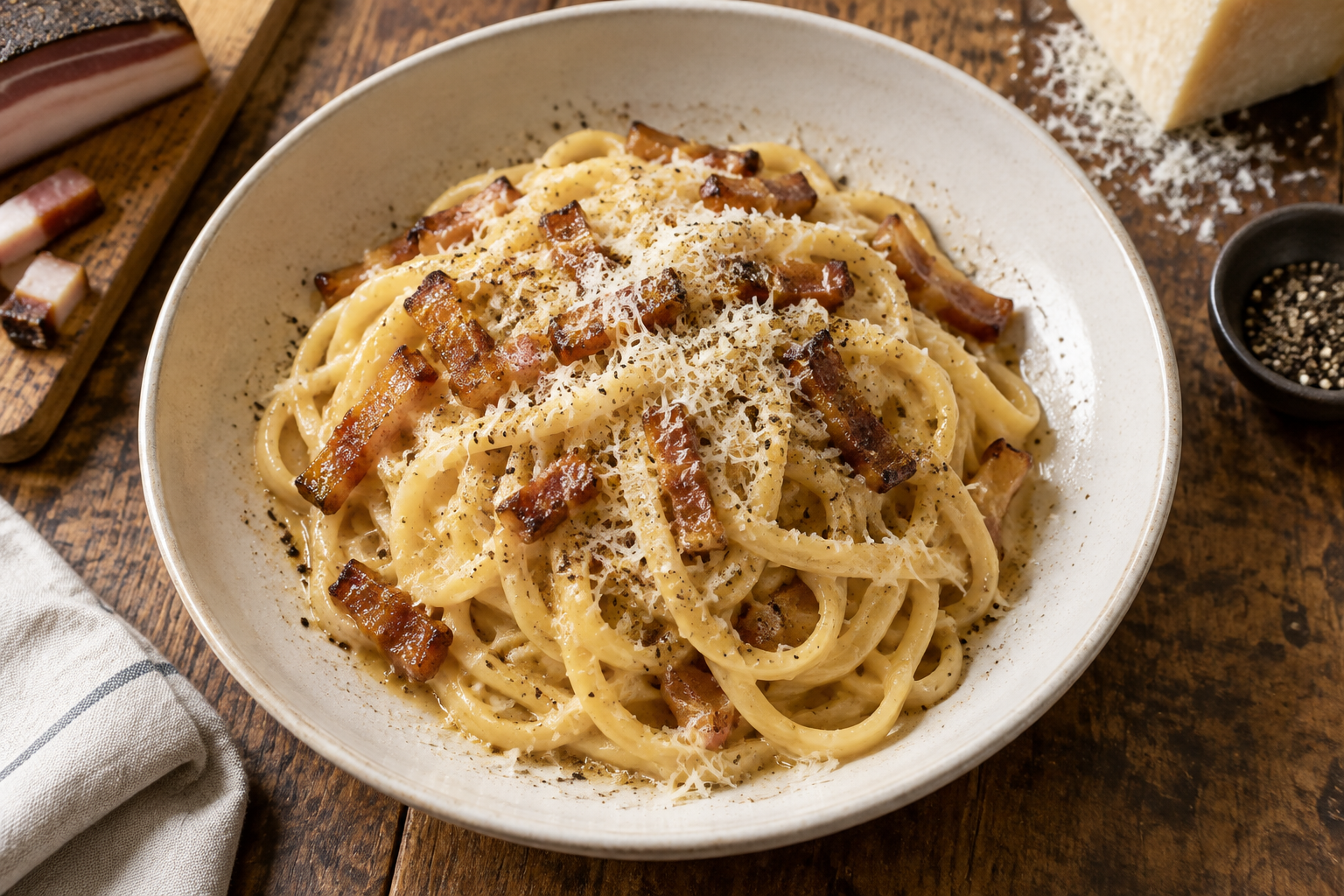
Spaghetti-style Linguine alla Carbonara
Linguine alla carbonara brings together guanciale, Pecorino Romano, eggs and black pepper in a silky sauce—without cream. This long-pasta variation follows Lazio’s classic carbonara technique, with the three Italian essentials available for delivery across Hong Kong.
Total time
30 minutes
Serves
2 people
Difficulty
Intermediate
Origin
Lazio
Carbonara is closely associated with Rome and Lazio, although its precise origins remain disputed. Its documented rise belongs largely to the mid-20th century; the familiar story linking it to charcoal workers is a theory rather than a settled history.
Today’s Roman benchmark centres on guanciale, Pecorino Romano, eggs and black pepper. Spaghetti is a classic choice; here, linguine offers a slightly flatter ribbon while keeping the ingredients and sauce-making technique faithful to that tradition.
Ingredients
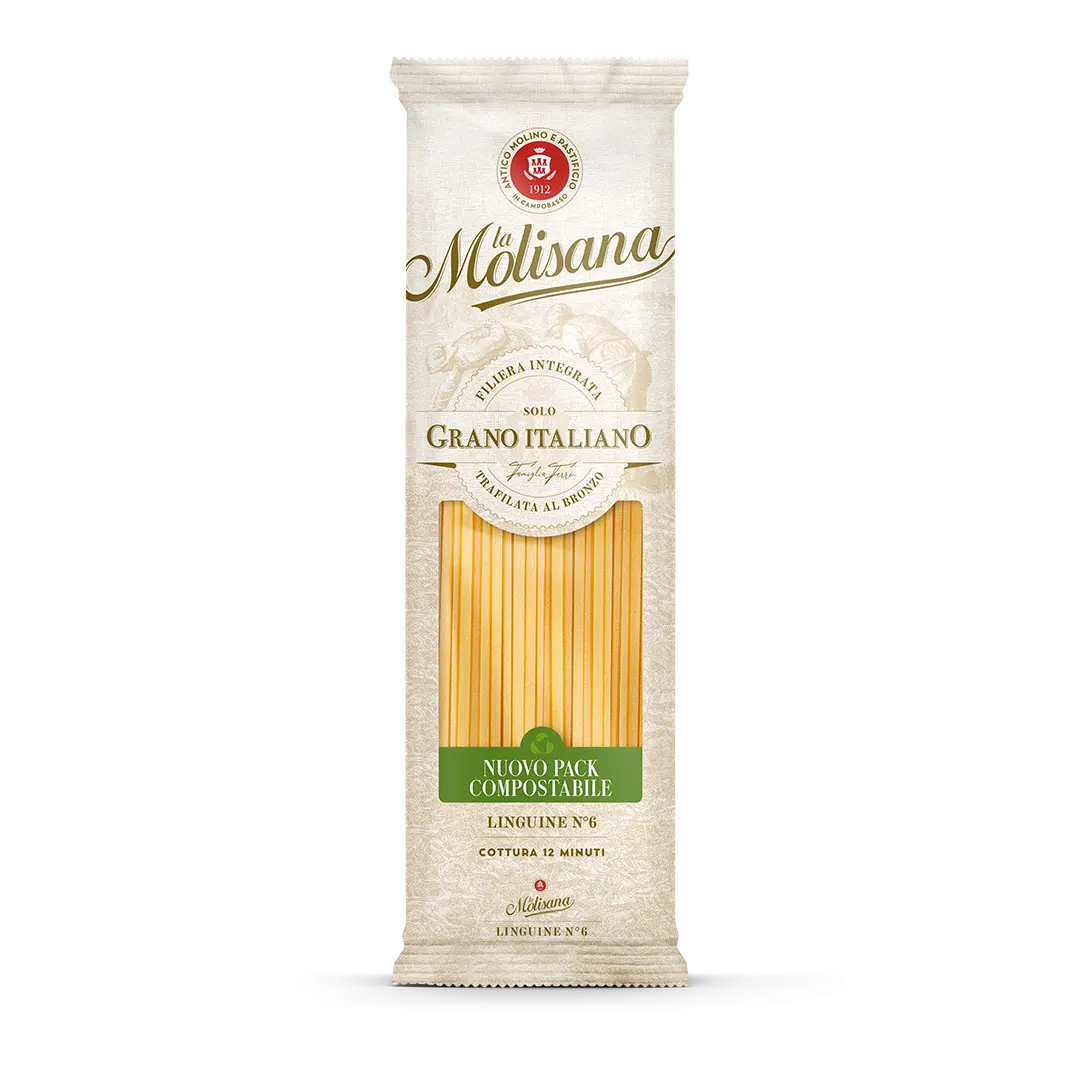
- 200 g Linguine MolisanaShop
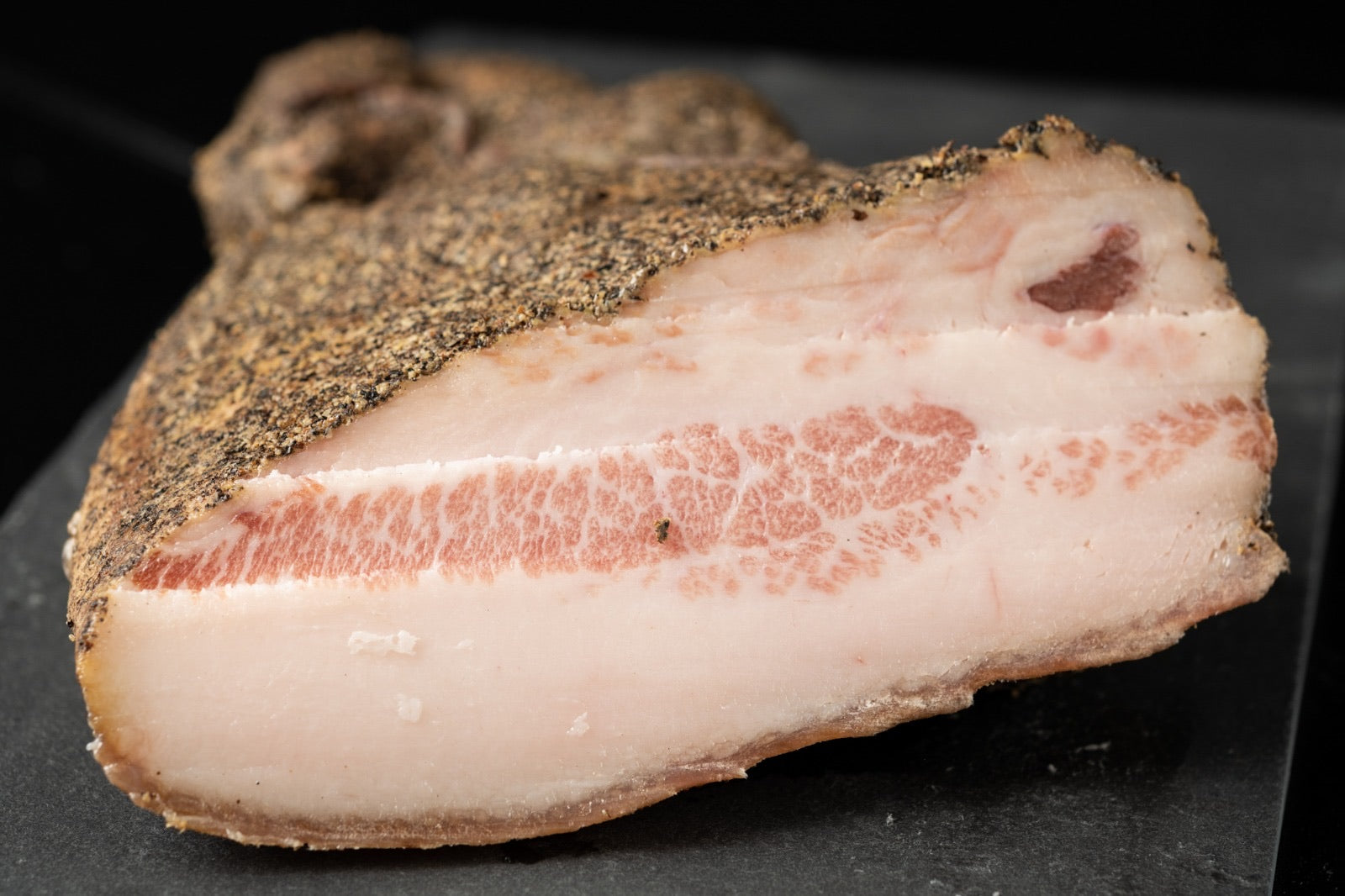
- 100 g Guanciale, weighed after removing any tough rindShop
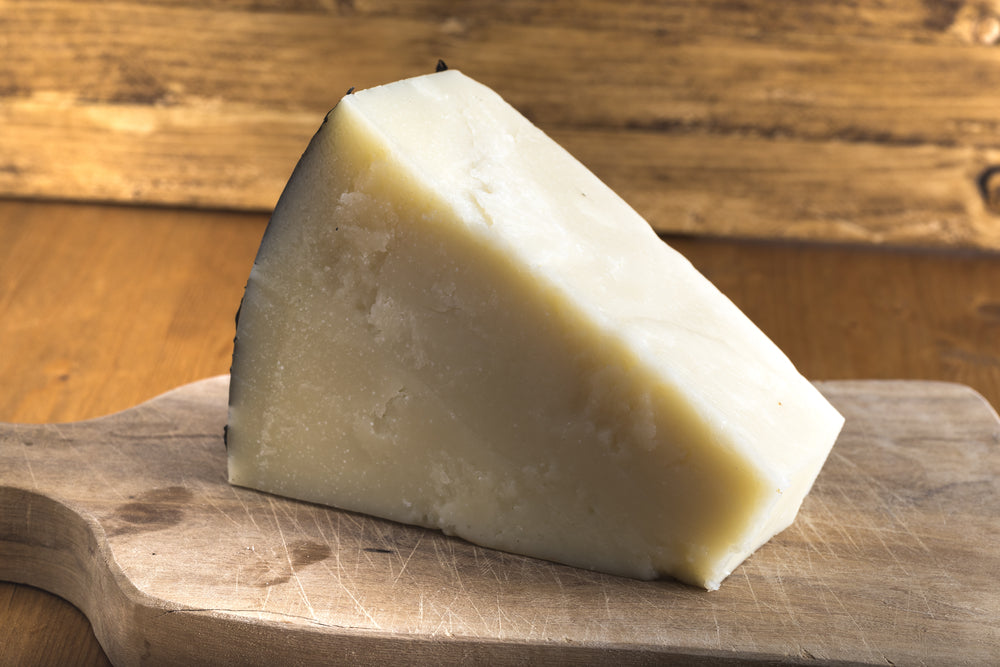
- 60 g Pecorino Romano DOP, very finely grated; reserve 10 g for servingShop
- 50 g Whole egg, without shell (approximately 1 large egg)
- 36 g Egg yolks (approximately 2 large yolks)
- 1 g Freshly ground black pepper, divided between sauce and serving
- 2 L Water for cooking the pasta; reserve 250 ml before draining
- 10 g Salt for the pasta water
Method
- 1
1. Prepare the ingredients
Bring the 2 L water to a boil. Cut the trimmed guanciale into batons approximately 5 mm thick. Finely grate the Pecorino and warm two serving bowls with hot water, then empty and dry them.
- 2
2. Render the guanciale
Place the guanciale in a cold, wide frying pan without oil. Cook over medium-low heat for 8–10 minutes, stirring occasionally, until the fat has rendered and the edges are golden. Take the pan off the heat. Lift out the guanciale and leave approximately 25 ml rendered fat in the pan, reserving any excess separately.
- 3
3. Mix the eggs and cheese
In a bowl, whisk the 50 g whole egg with the 36 g yolks, 50 g Pecorino and approximately three-quarters of the black pepper. The mixture should form a thick paste. Do not add salt: the cheese and guanciale already provide plenty.
- 4
4. Cook the linguine
Add the 10 g salt to the boiling water, then add the linguine. Stir and cook until al dente, following the packet timing as a guide. Shortly before draining, reserve 250 ml pasta water. Drain without rinsing.
- 5
5. Build the sauce off the heat
Return the guanciale pan to low heat. Add the drained linguine, 30 ml reserved pasta water and two-thirds of the guanciale; toss for 20–30 seconds. Remove the pan completely from the heat and wait until any sizzling stops, approximately 30–60 seconds. Whisk 15 ml warm pasta water into the egg mixture, then pour it over the pasta while tossing continuously.
- 6
6. Adjust and serve immediately
Keep tossing off the heat, adding reserved pasta water in 15 ml increments until the sauce is glossy and coats the linguine without pooling. If it remains too loose, hold the pan over the hot pasta-water pot without touching the water and toss briefly to warm it gently; do not let the sauce simmer. Divide between the warmed bowls and finish with the remaining guanciale, 10 g Pecorino and black pepper.
Chef's secret
Grate the Pecorino almost to a powder and stop the pan sizzling before adding the eggs. Fine cheese disperses more readily, while controlled residual heat and small additions of starchy water turn the egg-and-fat mixture into a glossy sauce.
Did you know?
Guanciale comes from the pig’s cheek or jowl, not the belly. Its rendered fat supplies the cooking fat for carbonara, so neither butter nor olive oil is needed.
Common mistakes
- Adding cream: carbonara’s creaminess comes from eggs, cheese, rendered guanciale fat and starchy pasta water.
- Pouring the egg mixture into a sizzling pan or leaving it over direct heat: this produces scrambled eggs rather than a smooth sauce.
- Heavily salting the pasta water: guanciale and Pecorino contribute considerable salt, so season the water more lightly than usual.
Storage & reheating
Carbonara is best eaten immediately. Refrigerate leftovers in a shallow, sealed container within 2 hours and use within 2 days. Reheat only once in a pan with 15–30 ml water, stirring until steaming hot throughout, ideally 74°C. The eggs will firm up during safe reheating, so the original silky texture will not fully return.
Shop the recipe
Delivered across Hong Kong by SF Express or Lalamove.
FAQ
Is linguine an authentic choice for carbonara?
Spaghetti and rigatoni are more customary Roman choices, but linguine works as a long-pasta variation. The guanciale, Pecorino, eggs, pepper and careful off-heat finish preserve the traditional character of the sauce.
Can I make it creamy without cream?
Yes—that is the traditional method. Toss the egg-and-cheese mixture with the warm pasta and rendered fat, adding starchy pasta water a little at a time until glossy.
Are the eggs fully cooked by the pasta’s heat?
Residual heat thickens the sauce but does not reliably guarantee a food-safe egg temperature. Use pasteurised eggs and yolks, especially for pregnant people, young children, older adults or anyone with a weakened immune system.