
Daily Italian Recipe · Pasta
Pasta alla Gricia
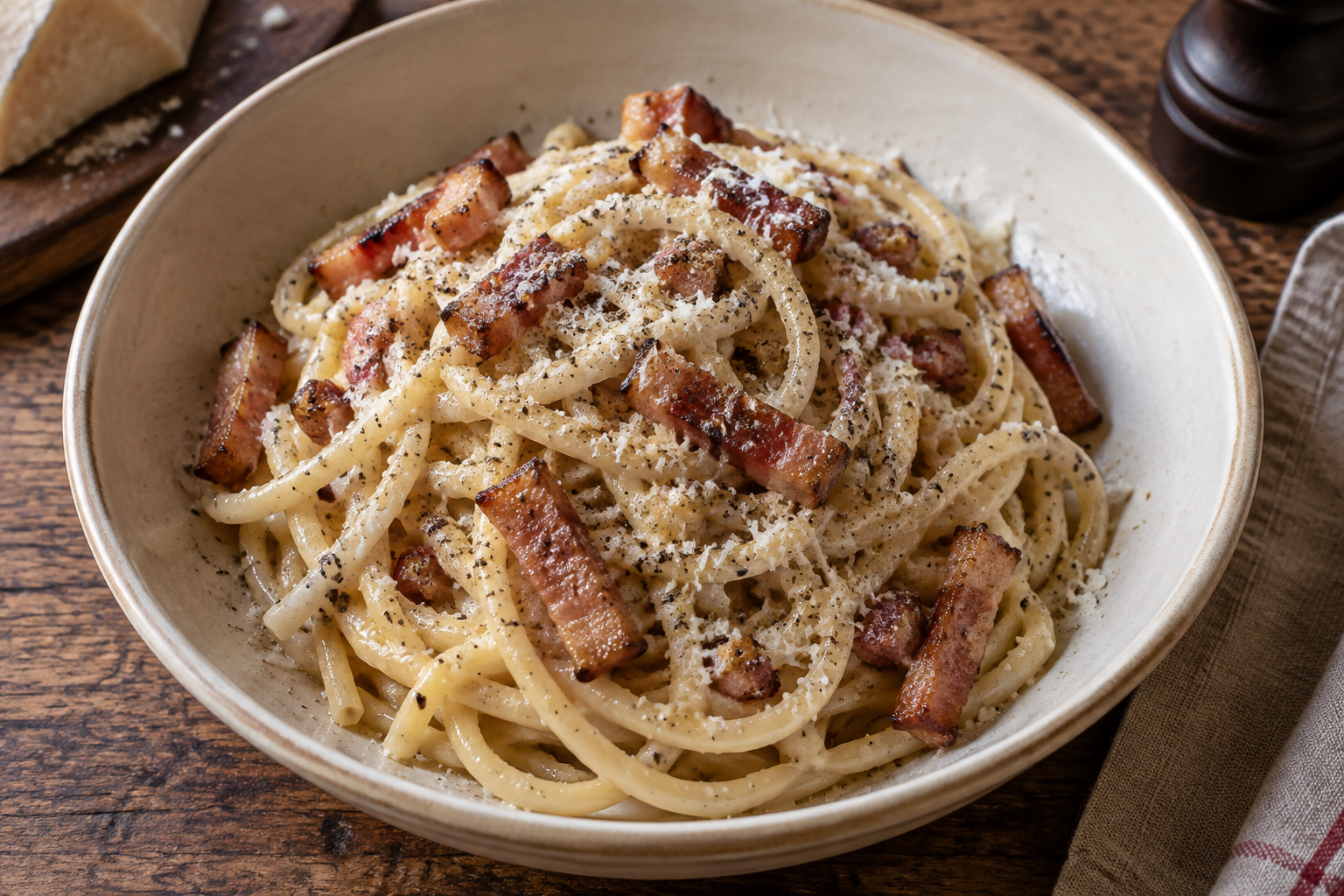
Pasta alla Gricia is Lazio’s glorious combination of guanciale, Pecorino Romano and black pepper, brought together with starchy pasta water. These bucatini turn three exceptional ingredients into a glossy sauce—without cream, butter or oil.
Total time
30 minutes
Serves
2 people
Difficulty
Medium
Origin
Lazio
Gricia belongs to the pastoral cooking traditions of Lazio and the area around Amatrice. Cured pork, aged sheep’s-milk cheese and dried pasta made a practical foundation for a deeply savoury meal.
Often described as the tomato-free relative of amatriciana, its precise origins remain debated. One explanation connects its name to Grisciano, near Amatrice; what defines the dish today is the balance of guanciale, Pecorino Romano and pasta water.
Ingredients
Method
- 1
1. Prepare the guanciale and cheese
Cut the trimmed guanciale into strips approximately 5 mm thick. Finely grate the Pecorino Romano, setting aside 10 g for serving and placing the remaining 50 g in a bowl.
- 2
2. Render the guanciale gently
Put the guanciale in a cold, wide frying pan without oil. Cook over medium-low heat for 8–10 minutes, stirring occasionally, until the fat has rendered and the strips are golden at the edges but still tender inside. Lift out the guanciale, leaving its rendered fat in the pan, and turn off the heat.
- 3
3. Cook the bucatini
Bring 2 litres of water to the boil and add 8 g salt. Add the bucatini and cook until 2 minutes short of the packet’s al dente timing. Before draining, reserve 300 ml of pasta water. Set aside 40 ml of this water in a small cup to cool until warm rather than steaming.
- 4
4. Build the sauce in the pan
Return the guanciale pan to low heat. Add most of the black pepper and stir for 10 seconds without scorching it. Carefully add 80 ml hot pasta water, followed by the drained bucatini. Increase to medium heat and toss vigorously for 1–2 minutes, until al dente and coated in a glossy emulsion. Add more reserved water in 20 ml increments if the pan becomes dry.
- 5
5. Make a smooth pecorino paste
Take the pasta pan completely off the heat. Gradually stir the 40 ml warm, cooled pasta water into the 50 g grated pecorino to make a smooth, thick paste. Let the pasta stand off the heat for about 1 minute, until it is no longer sizzling or bubbling.
- 6
6. Finish off the heat
Add the pecorino paste to the bucatini in two additions, tossing continuously off the heat. Loosen with reserved pasta water, 15 ml at a time, until the sauce coats the strands silkily without pooling. Fold in most of the guanciale. Do not return the cheese sauce to a simmer.
- 7
7. Serve immediately
Divide between two warm bowls. Finish with the remaining guanciale, the reserved 10 g pecorino and the remaining black pepper. Serve straight away while the sauce is fluid and glossy.
Chef's secret
Create the first emulsion before adding cheese: vigorously toss the bucatini with rendered guanciale fat and starchy water. Then add finely grated pecorino off the heat, once the pan has stopped bubbling—the cheese should melt gently, not cook.
Did you know?
Despite its strong association with Roman cooking, Pecorino Romano DOP can also be produced in Sardinia and in the Tuscan province of Grosseto, as well as Lazio.
Common mistakes
- Salting the pasta water heavily: guanciale and Pecorino Romano already contribute plenty of salt.
- Frying guanciale over high heat: the outside can burn before its fat has rendered properly.
- Adding pecorino to a bubbling pan: excessive heat makes the cheese clump and the sauce separate.
Storage & reheating
Gricia is best eaten immediately. Refrigerate leftovers in a sealed container within 2 hours and eat within 2 days. Reheat gently in a pan over low heat with 15–30 ml water per portion, tossing until hot throughout. Avoid boiling the sauce; reheated gricia may be less silky. Freezing is not recommended for the finished dish.
Shop the recipe
Delivered across Hong Kong by SF Express or Lalamove.
FAQ
Does authentic gricia contain cream, garlic or onion?
No. This version uses the classic essentials: pasta, guanciale, Pecorino Romano, black pepper and pasta water. Rendered guanciale fat supplies the cooking fat.
Are bucatini traditional for gricia?
Yes. Bucatini work beautifully, as do spaghetti and rigatoni. Whichever shape you use, finish it in the pan with the guanciale fat and pasta water before adding the cheese off the heat.
Can I order the main ingredients for delivery in Hong Kong?
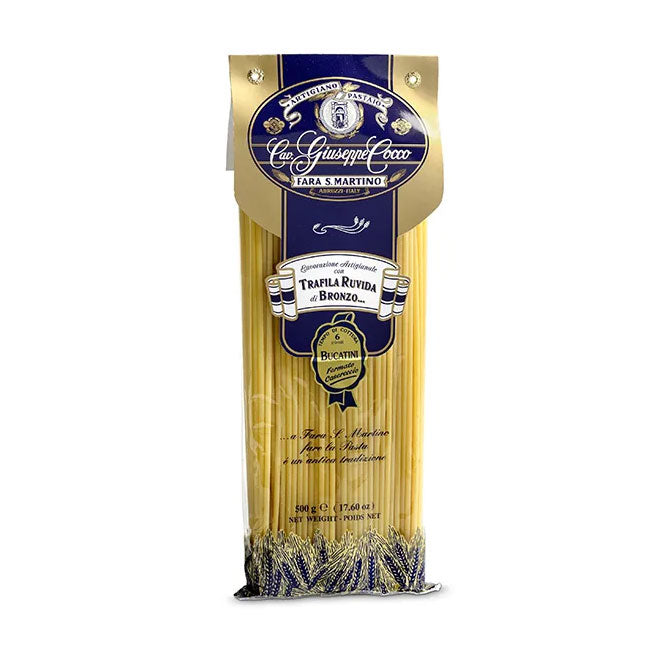
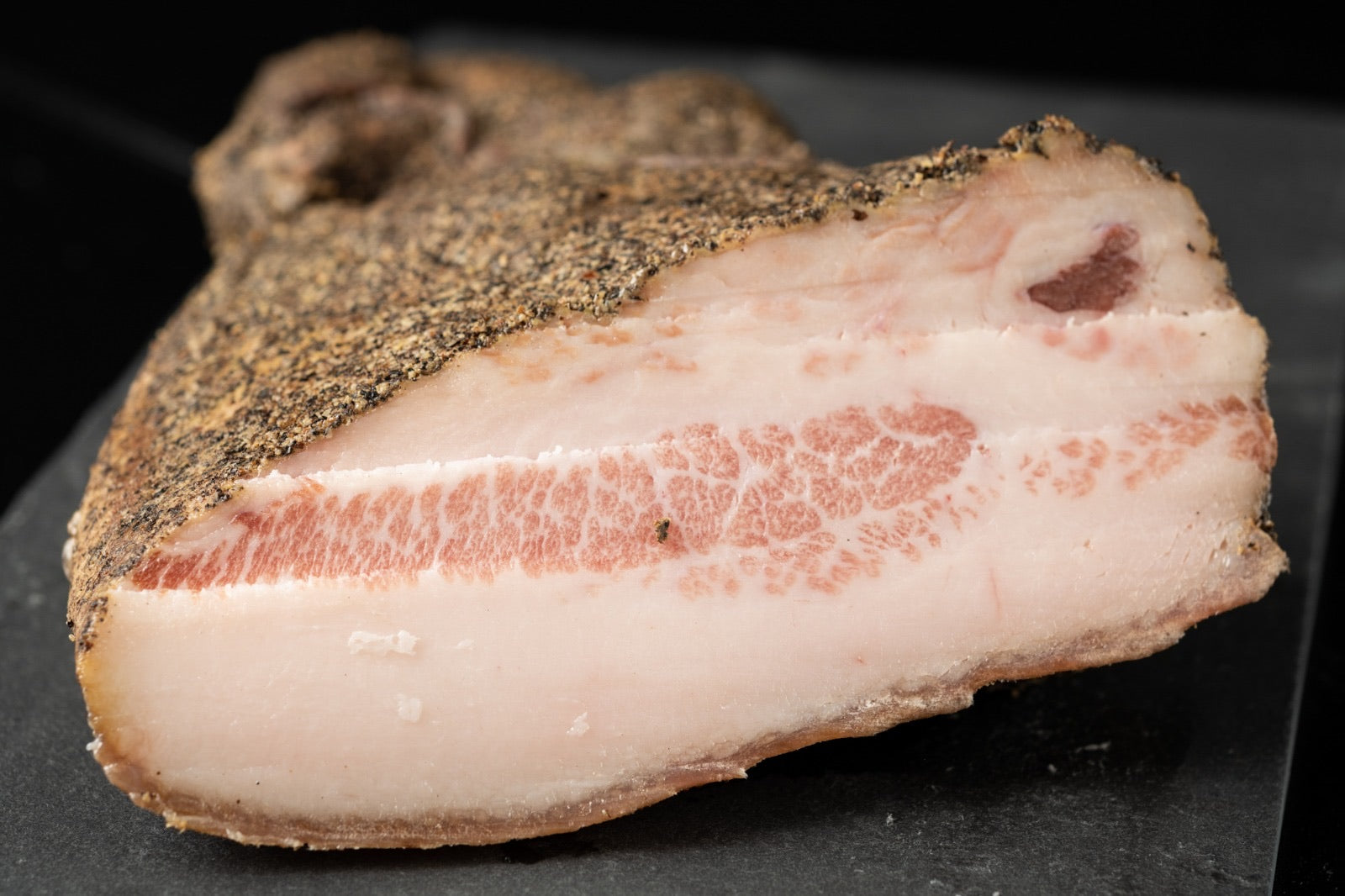
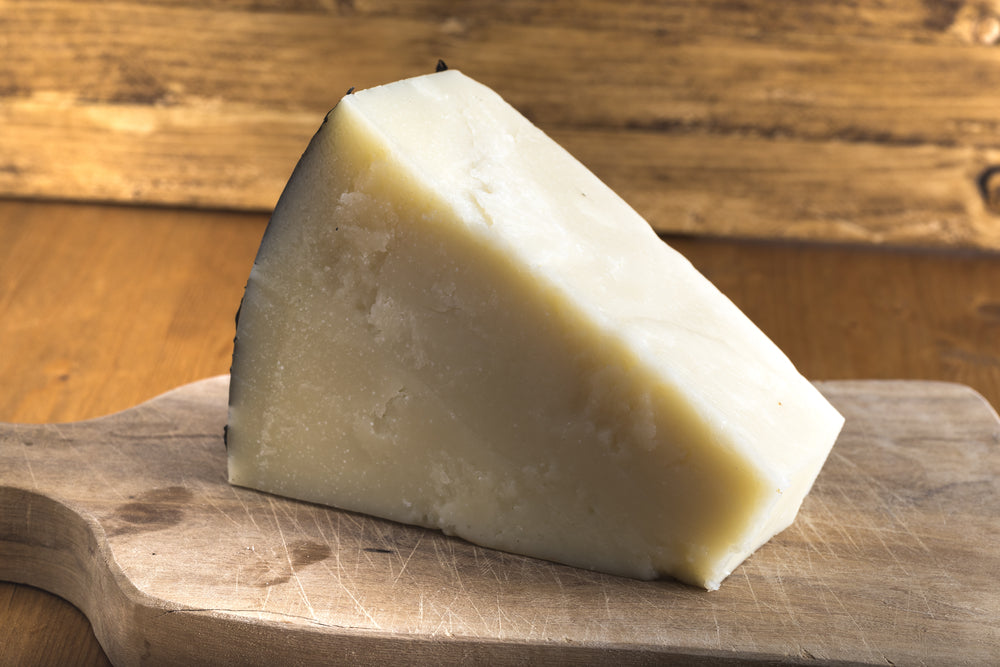
Yes. The Italian Club Hong Kong offers the listed bucatini, guanciale and Pecorino Romano DOP for delivery across Hong Kong via SF Express and Lalamove. The service is delivery only.