Daily Italian Recipe · Pasta
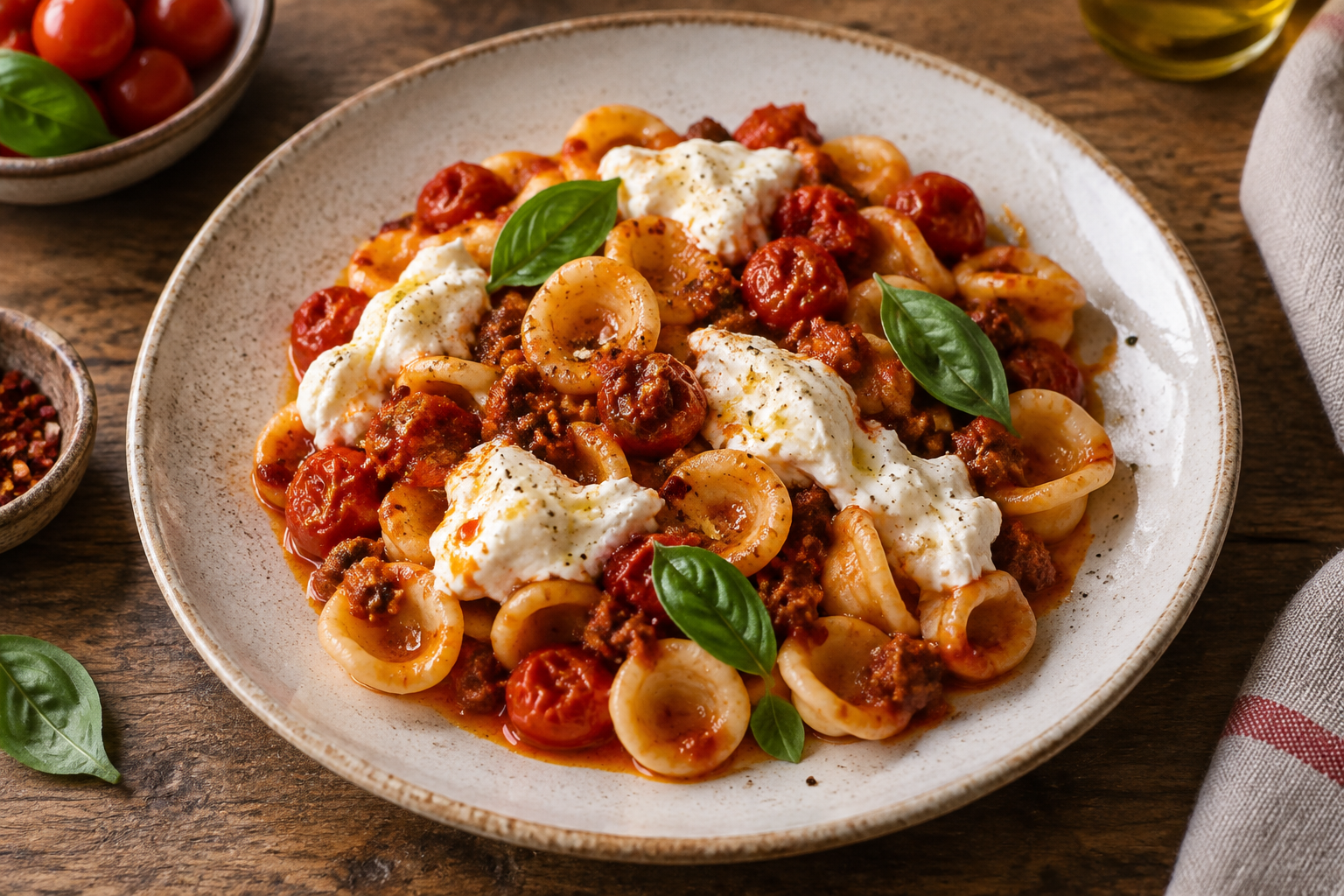
Orecchiette with 'Nduja & Burrata
Calabrian 'nduja brings smoky chilli heat to orecchiette, while torn Puglian burrata adds a cool, milky finish. Cherry tomatoes and starchy pasta water turn the spicy pork into a glossy sauce that nestles inside every little ear.
Total time
30 minutes
Serves
2 people
Difficulty
Easy
Origin
Puglia/Calabria
Orecchiette are closely associated with Puglia, where their cupped shape and textured surface make them ideal for catching sauces. Burrata also comes from Puglia, particularly the area around Andria, and combines a mozzarella shell with a creamy filling of cream and mozzarella strands.
'Nduja is Calabria's fiery, spreadable pork salume, especially associated with Spilinga. This dish is a contemporary meeting of southern Italian ingredients rather than a single historic regional recipe: Puglian pasta and fresh cheese balance Calabria's unmistakable chilli warmth.
Ingredients
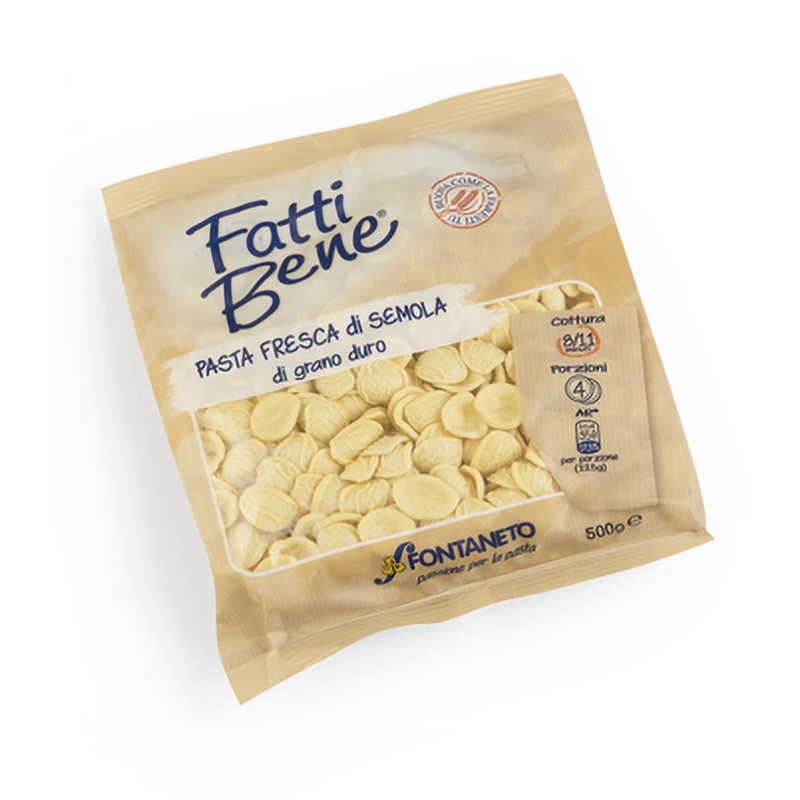
- 200 g Orecchiette Semolina Pasta 'Fatti Bene'Shop
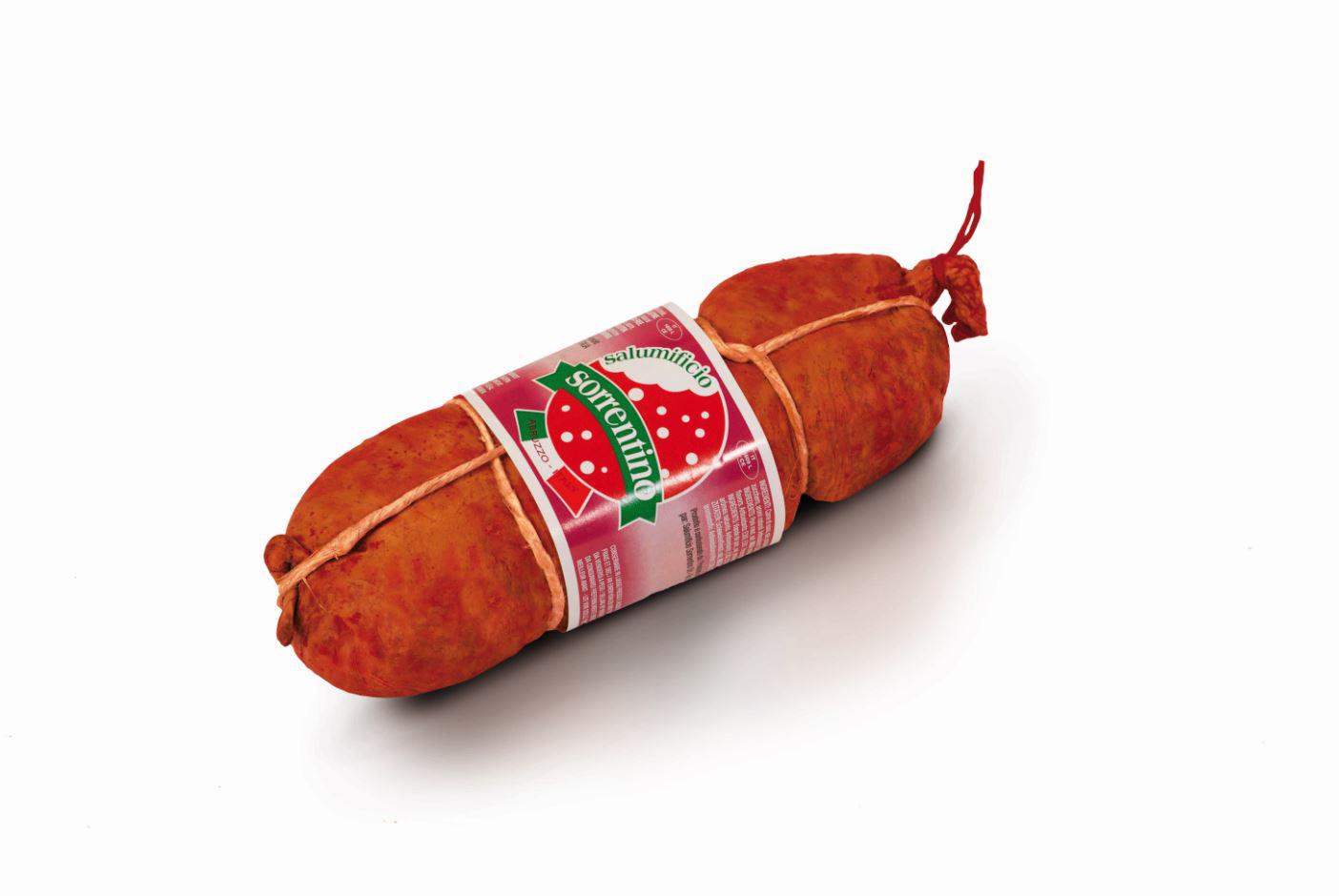
- 50 g 'Nduja, casing removedShop
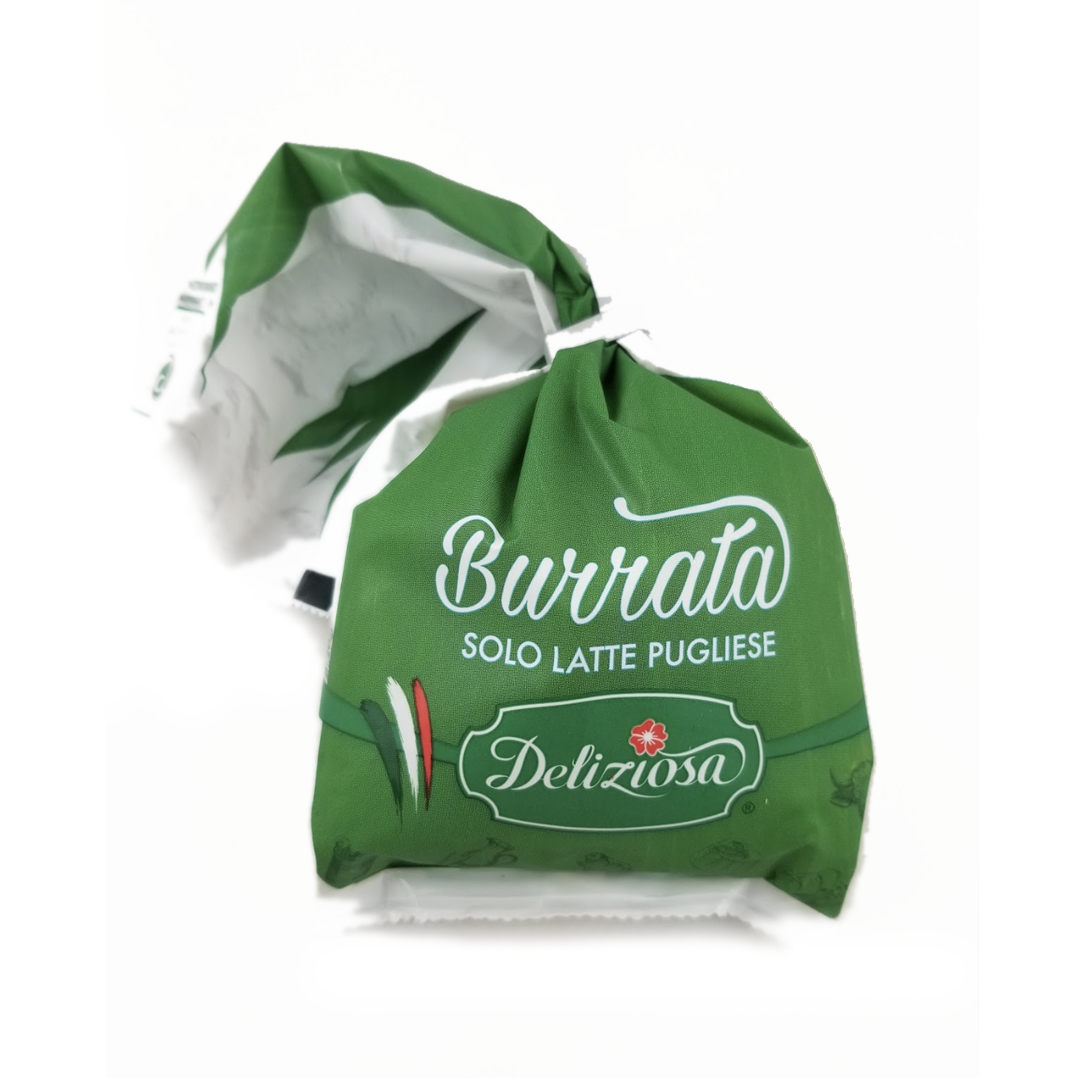
- 150 g Burrata Caseificio La Deliziosa, drainedShop
- 250 g Cherry tomatoes, halved
- 10 ml Extra virgin olive oil
- 5 g Garlic, peeled and lightly crushed
- 5 g Fresh basil leaves
- 2 litres Water for cooking the pasta; reserve 150 ml before draining
- 12 g Salt for the pasta water
Method
- 1
1. Prepare the ingredients
Drain the burrata and keep it covered while you cook. Halve the tomatoes, crush the garlic and remove any casing from the 'nduja. Bring 2 litres of water to the boil and add the 12 g salt.
- 2
2. Soften the tomatoes
Warm the olive oil and garlic in a wide frying pan over medium-low heat for 1–2 minutes, without browning the garlic. Add the tomatoes and cook over medium heat for 7–9 minutes, stirring occasionally and pressing some of them with a spoon, until softened and juicy.
- 3
3. Melt in the 'nduja
Reduce the heat to low. Add the 'nduja in small pieces with 30 ml water from the pasta pot. Stir for 1–2 minutes until it disperses into the tomato juices. Remove the garlic and keep the sauce over the lowest heat; do not fry the 'nduja until crisp.
- 4
4. Cook the orecchiette
Add the orecchiette to the boiling water and stir well to separate them. Follow the packet cooking time, tasting early and draining about 1 minute before al dente. Before draining, reserve 150 ml of the starchy cooking water.
- 5
5. Finish the pasta in the sauce
Transfer the orecchiette to the sauce with 60 ml reserved pasta water. Toss over medium heat for about 1 minute, until the pasta is al dente and evenly coated. Add more reserved water in 15 ml splashes only as needed: the sauce should be glossy and cling to the pasta, not pool beneath it. Take off the heat and tear in half the basil.
- 6
6. Add the burrata and serve
Divide the pasta between two plates. Tear the burrata over the top, sharing its creamy centre equally, and finish with the remaining basil. Serve immediately, leaving the burrata fresh rather than stirring it into the hot pan.
Chef's secret
The gloss comes from tossing the 'nduja's fat with starchy pasta water, not from adding cream. Finish the pasta while the sauce is still slightly loose, then add the burrata only after plating to preserve the contrast between spicy pasta and fresh, milky cheese.
Did you know?
Orecchiette means “little ears” in Italian. Their shallow cups catch pieces of tomato and 'nduja, while their textured outer surfaces help the sauce cling.
Common mistakes
- Frying 'nduja over high heat: its chilli can scorch. Let it soften gently into the tomato juices with a splash of water.
- Draining the pasta without saving cooking water: the starch helps bring the sauce together and prevents an oily finish.
- Cooking the burrata in the sauce: prolonged heat can make its outer shell tough and lose the fresh contrast. Tear it over the plated pasta instead.
Storage & reheating
Best eaten immediately. If planning leftovers, keep the burrata separate. Cool the sauced pasta promptly, refrigerate in a sealed container at 4°C or below within 2 hours, and eat within 2 days. Refrigerate opened burrata separately and use within 24 hours or sooner if its label requires. Reheat pasta in a frying pan with 15–30 ml water per portion, stirring until steaming hot throughout, then add the reserved burrata off the heat. If already combined, refrigerate promptly, eat within 24 hours and reheat thoroughly; the cheese will lose some of its original texture.
Shop the recipe
Delivered across Hong Kong by SF Express or Lalamove.
FAQ
How can I make it less spicy?
Reduce the 'nduja from 50 g to 30 g for two servings. Keep the full amount of tomato and burrata; both soften the perception of heat without changing the character of the dish.
Can I prepare the sauce ahead?
Yes. Make the tomato and 'nduja sauce up to 2 days ahead, cool promptly and refrigerate at 4°C or below. Reheat until steaming hot, then finish with freshly cooked pasta and its starchy water. Add the burrata only when serving.
Can I order the main ingredients for Hong Kong delivery?
Yes. The Italian Club Hong Kong offers the listed orecchiette, 'nduja and burrata for delivery across Hong Kong via SF Express and Lalamove. The recipe uses 200 g from the 500 g pasta pack, 50 g from the currently listed 400 g 'nduja pack, and one 150 g burrata.