
Daily Italian Recipe · Pasta
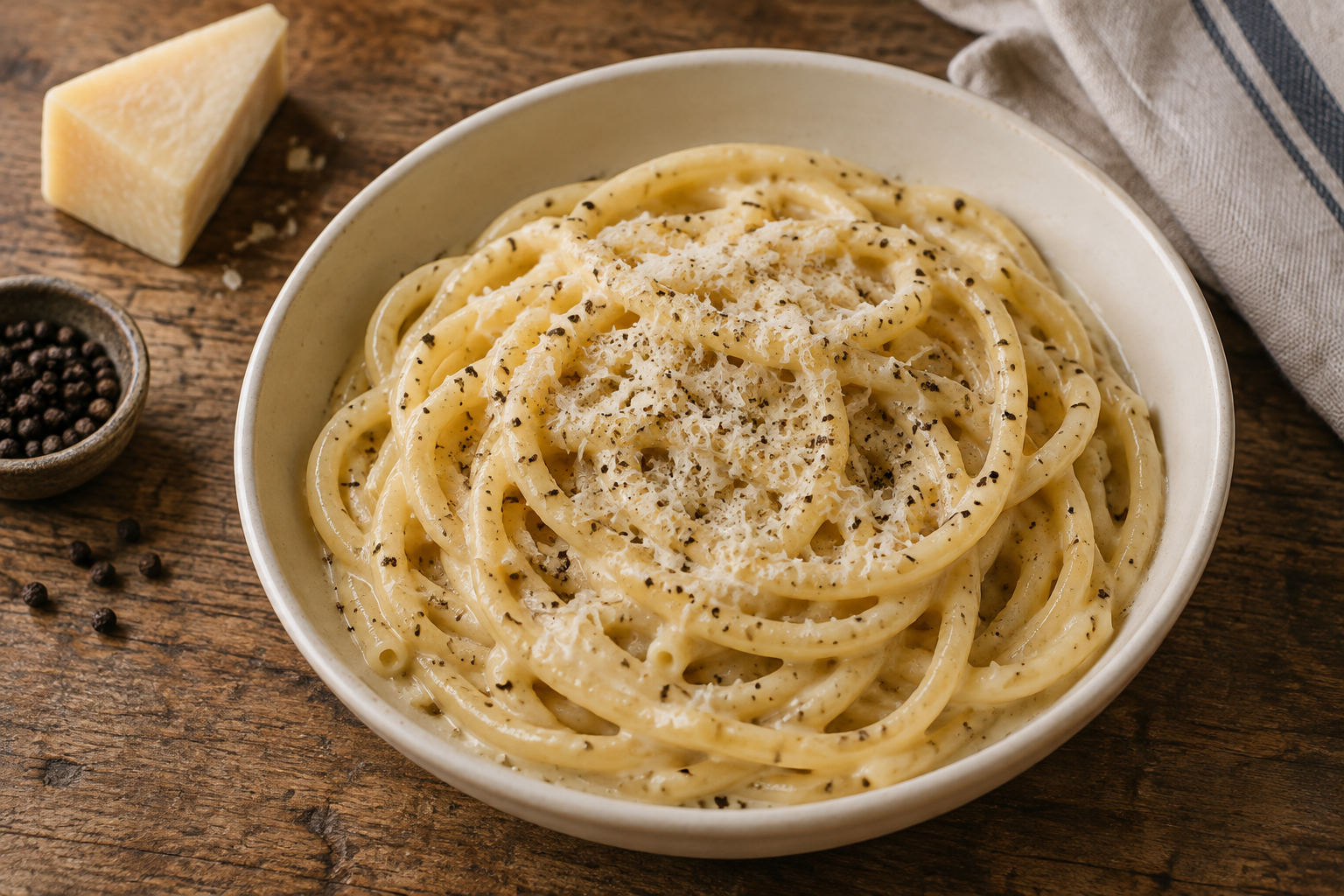
Cacio e Pepe
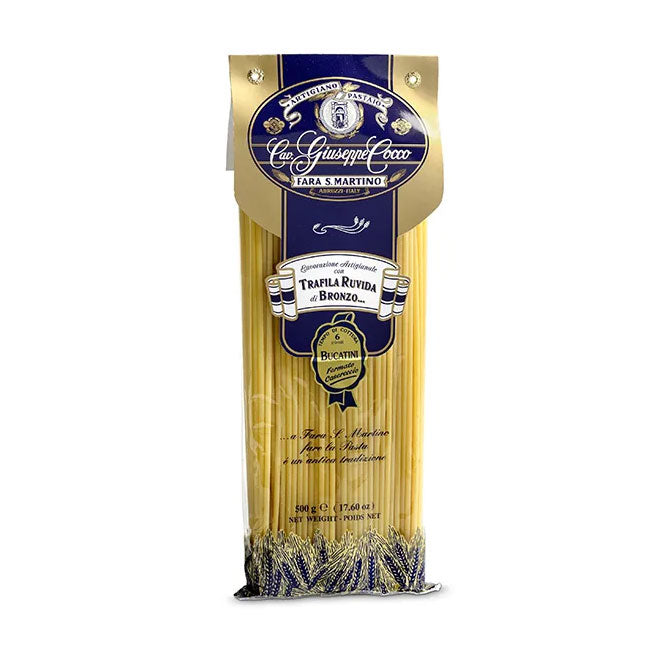
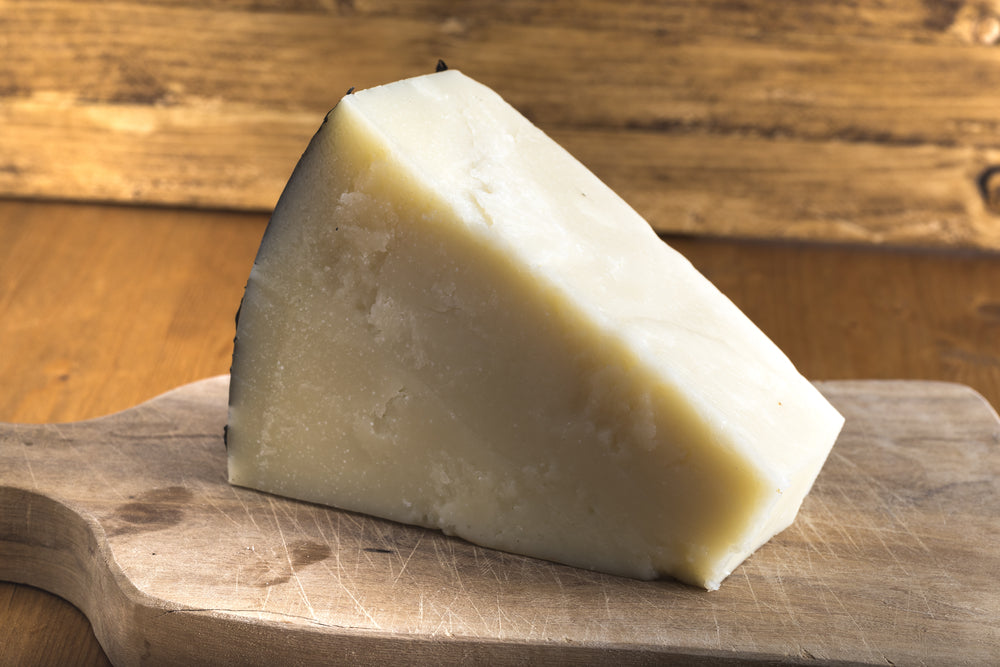
Roman simplicity at its finest: bucatini, Pecorino Romano DOP and freshly crushed black pepper become a silky cacio e pepe without cream or butter. Order the Italian essentials from The Italian Club for delivery across Hong Kong.
Total time
25 minutes
Serves
2 people
Difficulty
Intermediate — temperature control matters
Origin
Lazio
Cacio e pepe belongs to the cooking traditions of Rome and Lazio. Its enduring combination of aged sheep’s-milk cheese, black pepper and pasta is often linked to central Italy’s pastoral heritage, although its precise beginnings are not firmly documented.
The name means “cheese and pepper”, and the technique makes those few ingredients shine. Starchy pasta water and careful mixing turn grated pecorino into a glossy sauce; bucatini offers a satisfyingly substantial alternative to the familiar spaghetti or tonnarelli.
Ingredients
Method
- 1
1. Prepare the cheese and pepper
Finely grate the pecorino to a fluffy, powder-like texture, avoiding coarse shreds. Put 90 g into a large mixing bowl and reserve 10 g for serving. Crush the peppercorns in a mortar.
- 2
2. Cook the bucatini
Bring the 1.5 litres of water to the boil in a pot that accommodates the pasta. Add the 6 g salt and the bucatini. Stir frequently, especially at the beginning, and cook until 2 minutes short of the packet’s al dente timing.
- 3
3. Toast the pepper
While the pasta cooks, toast the crushed pepper in a wide, dry frying pan over medium-low heat for 30–60 seconds, just until fragrant. Carefully add 60 ml water from the pasta pot and turn off the heat.
- 4
4. Make a smooth pecorino paste
About 4 minutes before transferring the pasta, ladle 60 ml of its cooking water into a shallow cup. Let it cool until lukewarm, approximately 45–50°C. Gradually stir 40 ml into the 90 g pecorino, adding up to the remaining 20 ml as needed to make a thick, smooth paste. Do not use boiling water.
- 5
5. Finish the pasta with pepper
Reserve another 180 ml cooking water, bringing the total drawn from the pot to 300 ml. Transfer the bucatini to the pepper pan and return it to medium heat. Toss for approximately 2 minutes until al dente, adding reserved water in 15–30 ml splashes as needed. Leave a little starchy liquid coating the pasta, not a deep puddle.
- 6
6. Emulsify off the heat
Remove the pan from the heat and let the pasta cool for 60–90 seconds, until it is no longer fiercely steaming. Transfer the pasta and its peppery liquid into the bowl of pecorino paste, tossing vigorously. Add reserved water, now warm rather than boiling, in 15 ml increments until the sauce is glossy and coats every strand; you may not need it all. Divide immediately between two gently warmed bowls and finish with the reserved 10 g pecorino.
Chef's secret
Make the sauce slightly looser than you want on the plate: pecorino thickens quickly as it cools. A separate mixing bowl protects the cheese from the frying pan’s residual heat, giving you more control over the emulsion.
Did you know?
Despite its name, Pecorino Romano DOP is not made only around Rome. Its designated production area includes Lazio, Sardinia and the province of Grosseto in Tuscany.
Common mistakes
- Adding pecorino over direct heat or mixing it with boiling water: excessive heat makes the cheese clump instead of forming a smooth sauce.
- Salting the pasta water heavily: Pecorino Romano is already salty, so use the measured, modest amount.
- Draining away all the cooking water: its starch helps the cheese and water form a cohesive sauce.
Storage & reheating
Best eaten immediately, when the sauce is silky. Refrigerate leftovers in a sealed container within 2 hours and use within 2 days. Reheat gently in a pan over low heat with 15–30 ml water per portion, tossing until hot throughout without boiling the sauce. The reheated texture will be less smooth than freshly made.
Shop the recipe
Delivered across Hong Kong by SF Express or Lalamove.
FAQ
Is bucatini suitable for authentic cacio e pepe?
Yes. Spaghetti and tonnarelli are familiar choices, but bucatini also works well with the traditional pecorino-and-pepper sauce. Keep the pasta al dente.
Does cacio e pepe need cream, butter or oil?
No. Finely grated Pecorino Romano, starchy pasta water and controlled heat create the sauce without added cream, butter or oil.
Why did my cheese turn into lumps?
The mixture was probably too hot, the cheese too coarsely grated, or there was too little water. Mix off the heat and loosen with warm cooking water a little at a time. Cheese that has already tightened into firm clumps may not become completely smooth again.