
Daily Italian Recipe · Pasta
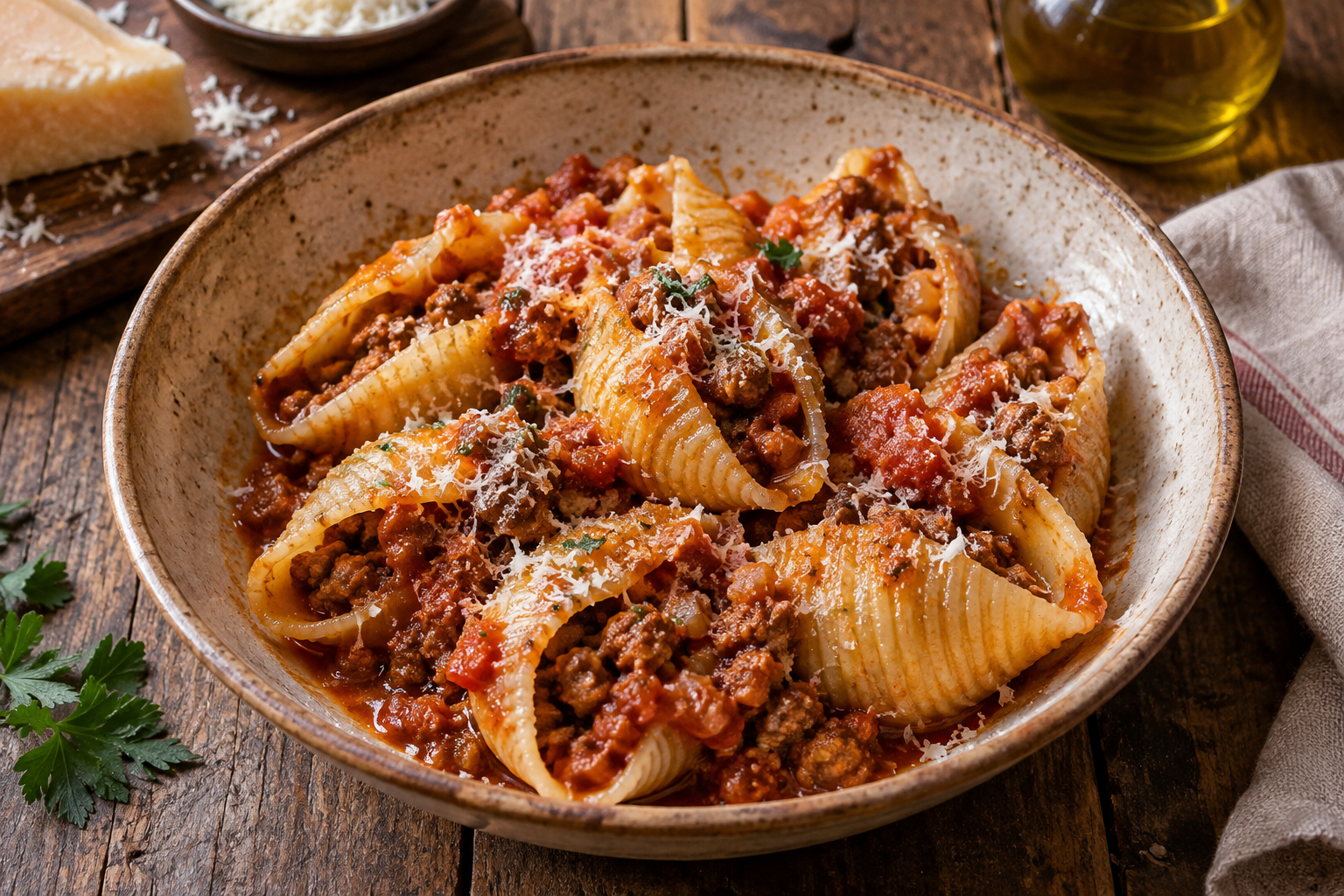
Conchiglioni with Sausage Ragù
Generous pasta shells catch a rich sausage ragù in this Umbrian-inspired dish. Our version uses Piedmontese Fassona beef sausage in place of the pork sausage more typical of Umbria.
Total time
50 minutes
Serves
3 people
Difficulty
Easy
Origin
Umbria
Umbria’s inland cooking draws on livestock farming, cured meats and patient, economical preparation. Sausage ragù belongs naturally to this hearty tradition, with browned meat and a gentle simmer building flavour without cream.
Conchiglioni are associated with southern Italian pasta-making rather than being a specifically Umbrian shape. Here, their deep hollows meet an Umbrian-inspired ragù, while Piedmontese beef sausage makes this an explicitly regional adaptation—not a claim to a canonical Umbrian recipe.
Ingredients
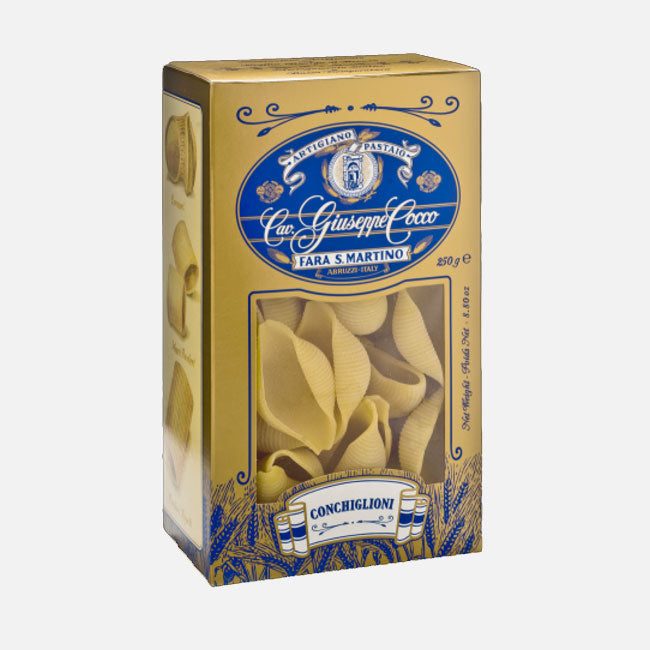
- 250 g Conchiglioni Pasta CoccoShop
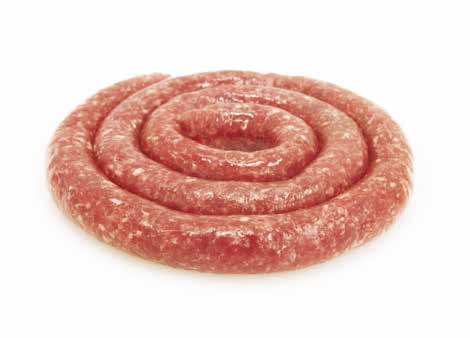
- 200 g Fassona beef sausage, raw chilled option, casing removedShop
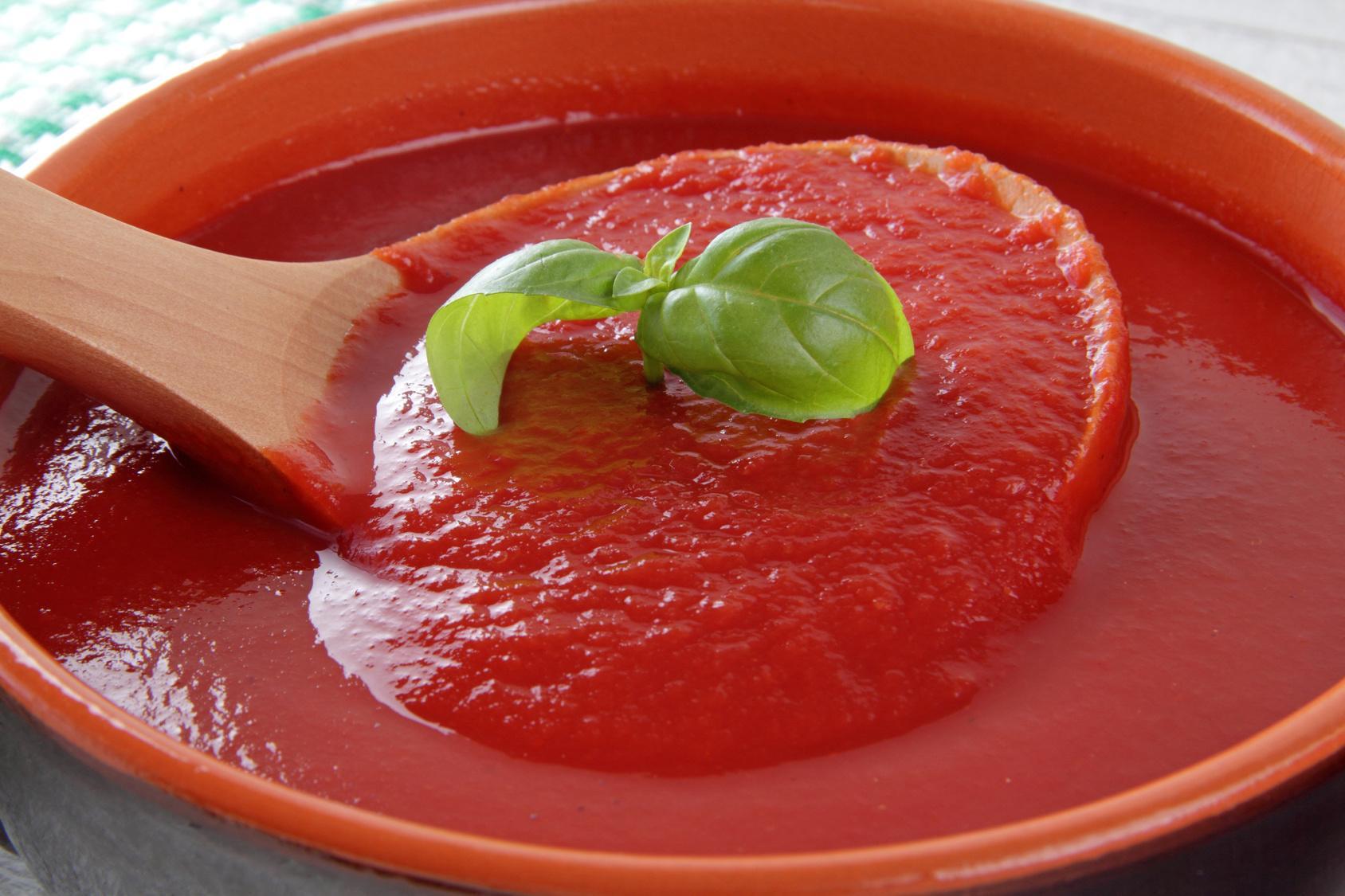
- 300 g Home Made Tomato SauceShop
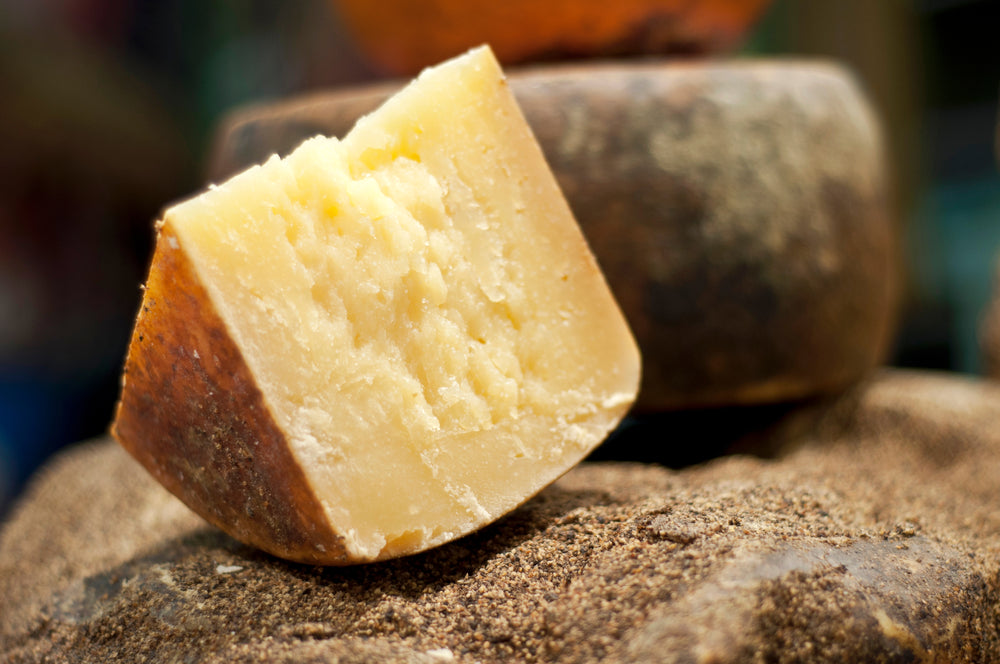
- 30 g Aged Tuscany Pecorino DOP, finely gratedShop
- 50 g Onion, finely chopped
- 30 g Carrot, finely chopped
- 30 g Celery, finely chopped
- 15 ml Extra virgin olive oil
- 60 ml Dry white wine
- 100 ml Water for the ragù
- 2 litres Water for cooking the pasta
- 12 g Salt for the pasta water
- 0.5 g Freshly ground black pepper
Method
- 1
1. Soften the soffritto
Heat the olive oil in a wide, deep sauté pan over medium-low heat. Add the onion, carrot and celery. Cook for 8 minutes, stirring regularly, until softened without browning.
- 2
2. Brown the sausage
Raise the heat to medium-high and add the raw sausage meat. Break it into small, irregular crumbs with a wooden spoon and cook for 6 minutes, allowing it to colour rather than constantly stirring.
- 3
3. Deglaze and simmer
Pour in the wine, scrape up the browned juices and simmer for 2 minutes. Add the tomato sauce, 100 ml water and black pepper. Simmer gently, partly covered, for 20 minutes, stirring occasionally. The ragù should remain loose enough to enter the shells; ensure the sausage is thoroughly cooked, reaching 71°C.
- 4
4. Cook the conchiglioni
While the ragù simmers, bring 2 litres of water to the boil and add the 12 g salt. Add the conchiglioni and stir gently to separate them. Follow the packet timing, draining 2 minutes before the stated al dente time. Reserve 200 ml of the pasta cooking water before draining.
- 5
5. Finish the shells in the ragù
Transfer the drained shells to the ragù and add 60 ml reserved pasta water. Cook over medium heat for about 2 minutes, gently folding with a broad spoon so the sauce enters the shells without breaking them. If needed, add more reserved water in 15 ml additions until the pasta is al dente and the sauce coats it generously.
- 6
6. Add pecorino and serve
Remove the pan from the heat and gently fold in 20 g grated pecorino. Divide between three warm bowls, spooning any remaining ragù into the shells. Finish with the remaining 10 g pecorino and serve immediately.
Chef's secret
Keep the ragù slightly looser than you would for small pasta. The shells continue absorbing moisture during finishing, and a little starchy cooking water helps carry the meat and tomato into their hollows.
Did you know?
Conchiglioni takes its name from conchiglia, the Italian word for shell. Although often stuffed and baked, these large shells can also be boiled and dressed with a chunky ragù.
Common mistakes
- Using the grilled sausage option: choose raw chilled sausage so its juices and browned flavour become part of the ragù.
- Reducing the sauce until dry: a stiff ragù sits outside the shells instead of filling them.
- Stirring the cooked shells vigorously: fold gently and finish just to al dente to keep them intact.
Storage & reheating
Refrigerate leftovers in a shallow, sealed container within 2 hours of cooking and use within 2 days. Reheat gently in a covered pan with 30–45 ml water per portion, folding occasionally, until steaming hot throughout and reaching 74°C. For better texture, freeze the ragù separately for up to 3 months, thaw overnight in the refrigerator and reheat before combining with freshly cooked pasta.
Shop the recipe
Delivered across Hong Kong by SF Express or Lalamove.
FAQ
Is beef sausage traditional in Umbrian ragù?
Pork sausage is more typical. This recipe preserves Italian ragù technique but uses Piedmontese Fassona beef sausage as a clearly identified adaptation.
Do I need to stuff and bake the conchiglioni?
No. Here they are cooked in water and finished gently in the ragù. Their hollows collect the sauce without individual stuffing or oven cooking.
Can I order the main ingredients in Hong Kong?
Yes. The Italian Club Hong Kong offers the conchiglioni, Fassona beef sausage, tomato sauce and pecorino for delivery across Hong Kong via SF Express and Lalamove. Select the raw chilled sausage option for this recipe.